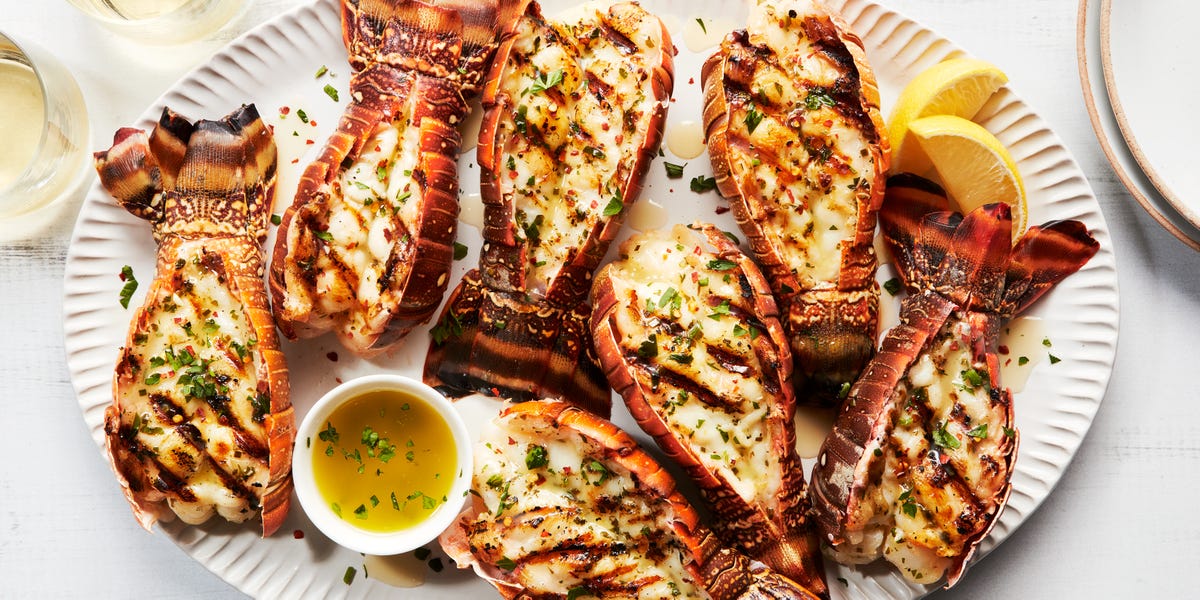
Unlock the Secret to Perfectly Grilled Lobster Tails Every Time
Imagine the sizzle, the intoxicating aroma, and the exquisite taste of a perfectly cooked quick & luxurious grilled lobster tail. Often perceived as a dish reserved for fancy restaurants or expert chefs, grilling lobster tails at home is surprisingly simple, quick, and incredibly rewarding. Whether you're planning a romantic dinner for two, celebrating a special occasion like Father's Day, or simply elevating a casual summer barbecue, mastering the art of the grilled lobster tail promises an unforgettable culinary experience.
The secret lies not in complex techniques, but in understanding a few fundamental tips for preparation, grilling, and achieving that elusive perfect doneness and succulent flavor. Forget about dry, rubbery lobster – with our no-fail guide, you’ll be serving up tender, juicy tails that rival any high-end eatery. Ready to impress without the stress?
The Foundation: Selecting and Preparing Your Lobster Tails
Success with easy steps for juicy perfection when you grill lobster tails begins long before they hit the grates. The quality of your lobster and how you prepare it lays the groundwork for impeccable results.
Fresh vs. Frozen: Making the Right Choice
- Fresh Lobster Tails: If you have access to fresh tails, fantastic! Ensure they are vibrant in color and have no strong "fishy" odor.
- Frozen Lobster Tails: This is often the most accessible option, and they can be just as delicious. The key is proper thawing.
- Thawing Method: Never force thaw in hot water or microwave, as this can start cooking the delicate meat and lead to toughness. The safest and best method is to thaw them overnight in the refrigerator. If you're short on time, place the frozen tails in a sealed plastic bag and submerge them in a bowl of cold water, changing the water every 30 minutes until fully thawed. This usually takes about 1-2 hours for average-sized tails.
- Why it Matters: Completely thawed lobster tails ensure even cooking. Partially frozen spots will cook slower, leading to some parts being overcooked and dry while others are still undercooked.
The Essential Butterfly Cut for Grilling
The "butterfly" cut is crucial for several reasons: it allows your marinade to penetrate deeply, ensures even cooking, and creates a beautiful presentation. It might seem intimidating, but it’s remarkably simple:
- Positioning: Place the lobster tail belly-side down on a cutting board.
- The Cut: Using sharp kitchen shears, carefully cut down the center of the top shell, starting from the end closest to where the body would be and stopping just before the tail fins. Be careful not to cut through the bottom shell or the meat itself completely.
- Exposing the Meat: Gently pry open the shell where you made the cut. Using your thumbs, carefully loosen the meat from the bottom shell, pushing it upwards through the opening in the top shell. The goal is to lift the meat out and rest it on top of the shell, creating a "butterfly" effect where the two halves of the meat sit exposed on the opened shell.
- Vein Removal (Optional): While not always present, you might find a small dark vein running through the meat. Simply pull it out and discard.
The Skewer Secret: Preventing Curl
Don't skip this simple but vital step! Once the lobster tails are butterflied, insert a metal or bamboo skewer lengthwise through the exposed meat, from the top end to the tail fins. This keeps the lobster tail flat during grilling, preventing it from curling up and ensuring even heat distribution for consistently cooked meat.
Mastering the Marinade & Flavor Infusion
Unlike tough cuts of meat, lobster doesn't need a lengthy marinade. In fact, a quick bath is all it takes to impart incredible flavor and ensure moisture. The reference context mentions a "quick, 15-minute marinade," and this is truly all you need.
Crafting Your Flavorful Marinade
The classic combination for luxurious grilled lobster tails often centers around garlic and butter, and for good reason! Here’s a versatile base you can adapt:
- Melted Butter: About 1/4 cup for 2-4 tails. Butter is essential for flavor and richness.
- Minced Garlic: 2-3 cloves, finely minced. The aromatic heart of the marinade.
- Fresh Herbs: 1-2 tablespoons of finely chopped fresh parsley, chives, or tarragon complement lobster beautifully.
- Acidity: A splash of fresh lemon juice (1 tablespoon) brightens the flavor and subtly tenderizes.
- Seasoning: A pinch of sea salt and freshly cracked black pepper.
- Optional Boosters: A dash of smoked paprika for a hint of smokiness, a tiny pinch of red pepper flakes for subtle heat, or a teaspoon of white wine for added depth.
The Marinating Process
Once you've mixed your marinade, brush it generously over the exposed lobster meat. You can also drizzle a little into the shell cavity. Let the tails sit at room temperature for about 15-20 minutes while your grill preheats. This short period is enough to infuse the delicate meat without "cooking" it with acidity or over-tenderizing it.
Expert Tip: Reserve some of the melted herb butter to brush on the lobster during and after grilling. This builds layers of flavor and keeps the meat incredibly moist.
Grilling for Perfect Doneness: Heat, Time, and Technique
This is where the magic happens and where many home cooks fear to tread. But with the right heat and timing, a perfectly cooked grilled lobster tail is within reach.
Preheating Your Grill: The Hot Zone
Whether you're using a gas or charcoal grill, high heat is your friend. Preheat your grill to a scorching 400-450°F (200-230°C). This high temperature creates a beautiful sear while ensuring the interior cooks quickly and evenly. Make sure your grill grates are clean and lightly oiled to prevent sticking.
The Grilling Process: Direct Heat Mastery
- Placement: Place the butterflied lobster tails directly over the hottest part of the grill, meat-side down. Close the lid if your grill allows.
- Initial Sear: Grill for approximately 3-4 minutes on the meat side. You should see beautiful grill marks forming.
- Flip and Finish: Carefully flip the lobster tails shell-side down. Brush with more reserved herb butter.
- Cook to Perfection: Continue grilling for another 3-5 minutes, or until the lobster meat is opaque, firm to the touch, and reaches an internal temperature of 140-145°F (60-63°C) when measured with an instant-read thermometer inserted into the thickest part of the tail. The shell will turn a vibrant red-orange.
Why No Boiling? The reference context correctly states, "No need to boil!" Boiling first can strip flavor and moisture. Grilling directly in the shell, especially with a good marinade, locks in the natural juices and imparts that irresistible smoky flavor.
Identifying Perfect Doneness
Overcooked lobster is tough and rubbery; undercooked lobster is unappetizing. Here's how to ensure perfection:
- Visual Cue: The raw, translucent meat will turn opaque and white.
- Texture: It should be firm but still yield slightly when pressed.
- Internal Temperature: This is your most reliable indicator. Aim for 140-145°F (60-63°C). The meat will continue to cook slightly after removal (carryover cooking).
Once cooked, remove the tails from the grill immediately. A final brush of melted garlic herb butter before serving will add an extra layer of decadence.
Elevating Your Grilled Lobster Experience
A perfectly grilled lobster tail is a star in itself, but pairing it with complementary sides can transform your meal into a gourmet spread.
- Classic Pairings: Crispy roasted potatoes, air fryer potatoes, or a simple grilled vegetable like asparagus or corn on the cob provide excellent texture and flavor contrasts.
- Surf and Turf: For the ultimate indulgence, serve your grilled lobster alongside a perfectly grilled steak. The combination is a timeless favorite for any special occasion.
- Fresh Salads: A light, refreshing green salad with a citrus vinaigrette can cut through the richness of the lobster and butter, offering a delightful balance.
- Sauces: Beyond the garlic herb butter, consider a vibrant lemon-dill sauce or a subtly spicy drawn butter for dipping.
Conclusion: Your Journey to No-Fail Grilled Lobster Tails
Grilling lobster tails doesn't have to be a daunting task reserved for professional chefs. By understanding the importance of proper thawing, mastering the butterfly cut, using skewers to maintain shape, infusing flavor with a quick marinade, and diligently monitoring your grill's heat and the lobster's doneness, you can achieve restaurant-quality results in your own backyard. From impromptu summer feasts to cherished celebrations, a succulent, flavorful, and perfectly cooked grilled lobster tail is now within your culinary repertoire. Enjoy the delicious journey!
